
How to Run a Weber County Warrant Search
There is no separate Weber County warrant list. Instead, the state runs one free tool for the whole state. The Utah Bureau of Criminal Identification, part of the Department of Public Safety, points to the Statewide Warrants file. The Weber County Sheriff links to that same search from its public-interest pages.
Start at the official portal and search by name. A clean search needs both a first and a last name.
- Open the Utah Statewide Warrant Search or reach it through the BCI Check Your Utah Warrants page.
- Enter the first and last name of the person you are checking.
- Review any match carefully, since similar names can return the wrong person.
- Note the issuing court or agency listed with the result.
- Contact that court or agency to confirm and resolve the warrant.
The statewide file is a Utah system. It does not cover federal warrants, out-of-state warrants, or immigration detainers. Confirm any result with the court named in the warrant before you act.
Weber County Warrant Search Fields
The statewide portal keeps its search simple. It is built to tell you whether a person is wanted in Utah, so it asks for a name and returns possible matches. The fields below reflect the standard statewide warrant search entry.
| Field Label | Type | Required | Notes / Format |
|---|---|---|---|
| First Name | Text | Yes | The wanted person's first name |
| Last Name | Text | Yes | The wanted person's last name |
| Search | Button | N/A | Runs the statewide warrant search |
| Reset / Clear | Button | N/A | Clears the form to start over |
The Statewide Warrants file is free to search. BCI describes it as a way to find people wanted in Utah.
Types of Warrants in Weber County
Not every warrant means the same thing. The kind of warrant tells you why it exists and how to clear it. Some come from a missed court date. Others come from a criminal charge or a judge's order during a case.
- Arrest warrant - a court order that authorizes police to take a person into custody.
- Bench warrant - issued by a judge, often after a missed hearing or unpaid fine.
- Search warrant - authorizes a search or seizure and may be sealed or delayed.
- Probation or parole warrant - a custody hold tied to supervision.
- Justice Court warrant - usually linked to a missed misdemeanor or traffic case.
District Court warrants tend to arise in felony, class A misdemeanor, probation, or order-to-show-cause matters. The Weber County District Court page explains which cases sit at that level.
Bench Warrants After a Missed Court Date
Bench warrants are the most common kind people run into. A judge can issue one when a person misses arraignment, skips a pretrial conference, fails to pay fines or fees, or breaks a probation rule. Traffic and misdemeanor cases in Justice Court can trigger a warrant after a missed appearance.
The good news is that a bench warrant can often be cleared without an arrest. Depending on the case, you may pay bail, schedule a new hearing, appear voluntarily, or file a motion. A short delay is easier to fix than an old, ignored warrant. Acting early gives the court more room to work with you.
What a Weber County Warrant Result Shows
A public warrant result is meant to confirm identity and point you to the right office. Fields can vary, and some details may be limited. The table below lists the fields that matter most when they appear.
| Field | Why It Matters |
|---|---|
| Name | Confirms a possible match; similar names can mislead |
| Date of Birth / Age | Helps confirm identity; may be limited |
| Warrant Number | Needed for court or agency follow-up |
| Issuing Agency / Court | Tells you where to resolve the warrant |
| Charge / Offense | Explains the underlying case; may be abbreviated |
| Bail Amount | Shows a possible release amount; verify with the court |
Verify any bail amount with the court or jail. Scam callers invent numbers and demand fast payment.
How to Resolve an Outstanding Warrant
Finding a warrant is the first step. Clearing it takes a few careful moves. Work through the issuing court, not a random caller, and keep records of what you do.
- Confirm the warrant in the Statewide Warrant Search and check the identity match.
- Contact the issuing court or agency listed in the result.
- Ask whether the warrant can be recalled by paying bail, setting a hearing, or appearing.
- For a criminal warrant, talk to an attorney or check public defender eligibility first.
- Use only court- or jail-approved payment methods if bail is required.
- After you resolve it, confirm the warrant is cleared, since clearance is not always instant.
If a warrant led to a booking, the Weber County inmate records page shows how to check current custody.
Warrant and Bail Scams
Scammers use warrant fear to steal money. They call, claim a warrant or a jailed relative, and demand fast payment. Weber County warns that these calls are fraud.
Note: No real court or sheriff will demand warrant or bail payment by Venmo, PayPal, Bitcoin, or gift cards, so hang up and call the issuing office to verify.
Real warrant resolution runs through the court or the jail, never through a phone app payment to a stranger. When in doubt, look up the court's official number yourself rather than trusting a caller.
Why a Weber County Warrant Search Can Miss Someone
A clean search result does not always mean a clean record. The Utah Statewide Warrants file holds Utah warrants. It is not the national crime database, and it does not pull in every record from every place. So a person can show no Utah warrant yet still be wanted elsewhere.
Three gaps matter most. Out-of-state warrants may not appear in the Utah search at all. Federal warrants live in the federal system, not the statewide file. And name-only matching can miss a record when a name is spelled differently or shared by many people. For a serious check, confirm with the court named on any result and do not rely on a single search.
Federal Warrants and the Courts
The Utah Statewide Warrants file does not cover federal matters. A federal warrant runs through the federal court system and federal law enforcement. Federal prosecution in the area comes from the U.S. Attorney's Office.
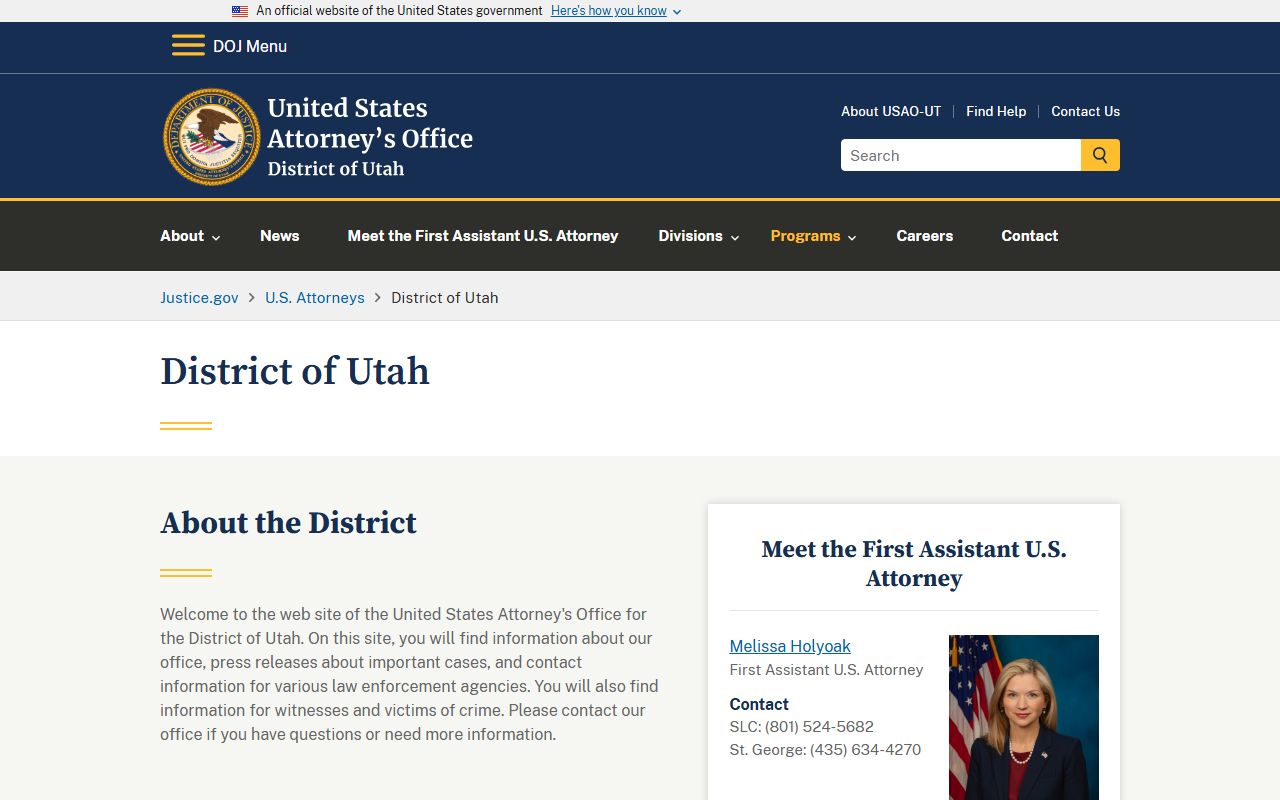
The local federal prosecutor is the U.S. Attorney's Office for the District of Utah.
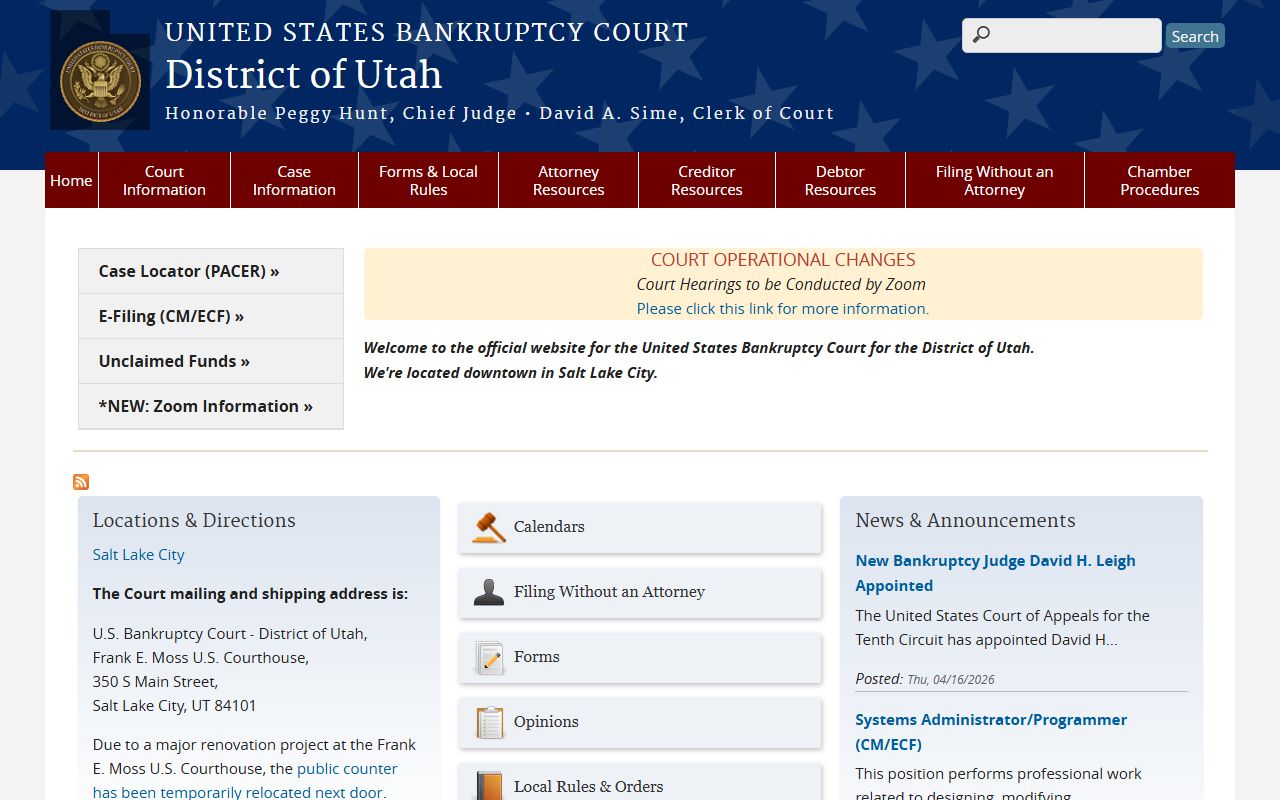
Federal civil and criminal dockets are filed through the District of Utah electronic system, while bankruptcy matters use a separate federal court.
Attorneys reach federal filings through the District of Utah CM/ECF login. The U.S. Bankruptcy Court for the District of Utah handles bankruptcy cases.
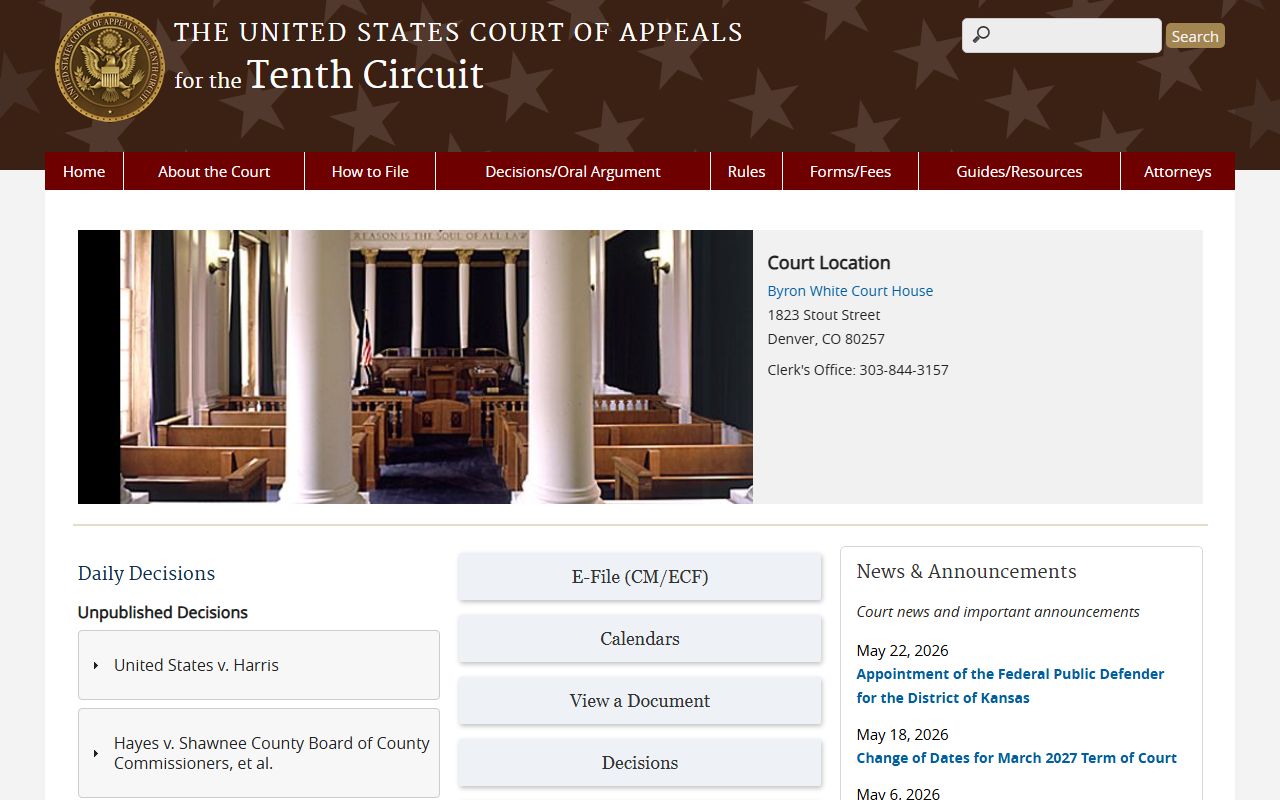
Federal appeals from Utah go to the U.S. Court of Appeals for the Tenth Circuit.
Public Access and Sealed Warrants
Active arrest and bench warrants entered in the statewide file may be public. Other warrants are not. A search warrant affidavit can be sealed or delayed to protect an investigation under Utah Code § 77-23-210. Juvenile warrants are restricted as well.
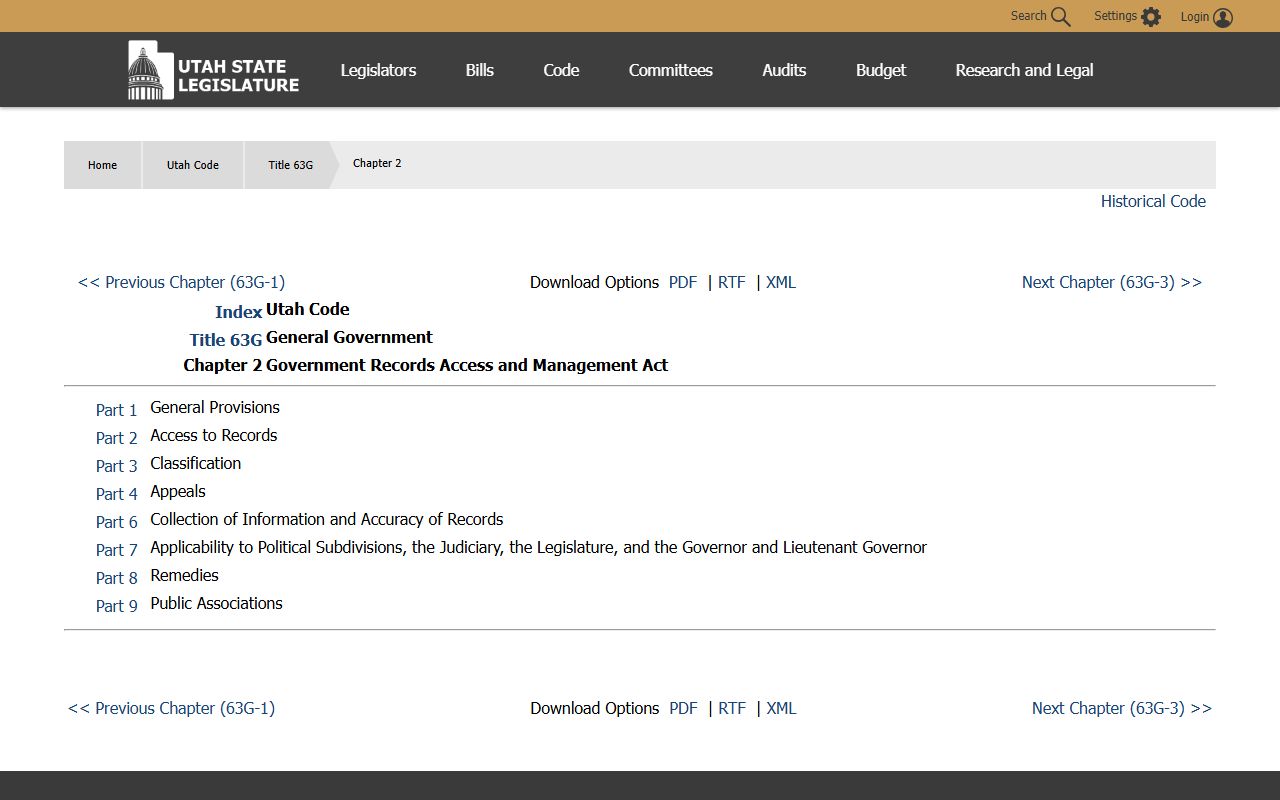
County records, including some law-enforcement files, fall under the Government Records Access and Management Act. GRAMA is set out in Utah Code Title 63G, Chapter 2, which sorts records as public, private, controlled, or protected.
The Weber County public records page covers how to file a GRAMA request for county and Sheriff records.