
How to Find Weber County Arrest Records
The fastest read on a recent arrest is the Sheriff's public jail roster. The Weber County inmate roster lets you search by last and first name. A booking usually appears within hours, since the roster is not updated more often than once an hour. Use it to confirm that someone was booked and to see the charges that brought them in.
The roster is a starting point, not the final word. Follow these steps to move from a booking to the full picture.
- Search the jail roster by last name, then add a first name to narrow the list.
- Open the Details link to read booking date, charges, and bail.
- Match the name to a court case on Utah Courts Xchange for charges, hearings, and disposition.
- Call the jail at 801-778-6700 to confirm anything time-sensitive.
- File a Sheriff GRAMA request for an arrest or incident report not posted online.
Arrest data and court data live in different systems. The roster answers whether a person is in custody now. The court file answers what happens to the charge.
Arrest Record vs Criminal Court Record
People often treat these as one thing. They are not. An arrest record is a law-enforcement record from the Sheriff. A criminal court record is a judiciary record from the District Court or a Justice Court. Each office keeps its own file, and each answers a different question.
| Feature | Arrest Record | Criminal Court Record |
|---|---|---|
| Source | Weber County Sheriff's Office | Utah state courts |
| Shows | Booking, charges at intake, bail, custody status | Charges filed, hearings, plea, disposition, sentence |
| Where to look | Jail roster and Sheriff GRAMA requests | Xchange and MyCase |
| Best for | Confirming a recent arrest or jail stay | Tracking the outcome of a charge |
For the full court side of a criminal case, the Weber County court records page covers charges, pleas, and outcomes in depth.
Charges vs Convictions in Weber County
This is the line that trips up most readers. A charge is an accusation. A conviction is a formal finding or plea of guilt. An arrest record may list several charges that the court later reduces or drops. So an arrest tells you what police alleged, not what a court decided.
- Charge
- An accusation that a person broke the law, listed at booking or filed by a prosecutor.
- Conviction
- A guilty plea or a finding of guilt entered by the court.
- Disposition
- The final result of a charge, such as a plea, dismissal, or judgment.
Always read the disposition before you judge a case. Weber County felony and class A misdemeanor charges are District Court matters. Most class B and C misdemeanors and infractions are Justice Court matters.
What a Weber County Arrest Record Shows
The public inmate detail page lays out the core arrest data. The fields below come from an inspected Weber County roster detail record. The page does not show a public date of birth, home address, medical status, or housing pod.
| Field | What It Shows |
|---|---|
| Name | Last, first, and middle name in uppercase |
| Booking Date | The date of intake, shown as year-month-day |
| Age / Gender | Numeric age and a single-letter gender value |
| Height / Weight / Hair / Eyes | Physical descriptors in coded form |
| Charges | State statute charge descriptions for the booking |
| Bail / Fine | Bail type, amount, and remaining balance due |
A "Case Number" field exists on the detail page, but it can be blank. Not every booking has a filed court case yet, so confirm the case in Xchange.
Mugshots and the Public Roster
Many people search arrest records hoping to find a mugshot. Weber County's public roster detail did not show a mugshot in the inspected record. The Sheriff stresses that the roster is informational only and is not the official inmate record.
The roster also carries a clear scam warning. Callers claim a relative is in jail, give a fake bail amount, and demand payment through Venmo, PayPal, Bitcoin, or gift cards. The Sheriff says it never calls families about bail and never takes those payment apps. If you get such a call, hang up and dial 801-778-6700.
Note: Treat any caller who demands app or gift-card bail payment as a scam, and confirm an arrest only through the official Weber County jail line.
Booking and Classification After an Arrest
An arrest record begins at booking. Weber County staff tell the arrestee the charges and the bail needed for release. Bail may be cash only or bondable, and any holds are disclosed. A list of licensed bonding companies sits by each jail phone.
New arrestees stay in Receiving and Orientation until a classification officer interviews them. Classification can take up to 72 hours and weighs behavior, charges, and history. During that window, collect calls are allowed, but visits and commissary are not. Arrestees are then scheduled for arraignment on the next court day, where the criminal case formally begins.
The Weber County inmate records page covers the full roster, booking, and jail process.
State Custody and Offender Search
A county arrest can lead to state custody after sentencing. When a person is sent to state prison or placed on state supervision, the county roster no longer tracks them. The Utah Department of Corrections runs a separate offender search for that purpose.
The state locator sits on the Utah Department of Corrections offender search page.
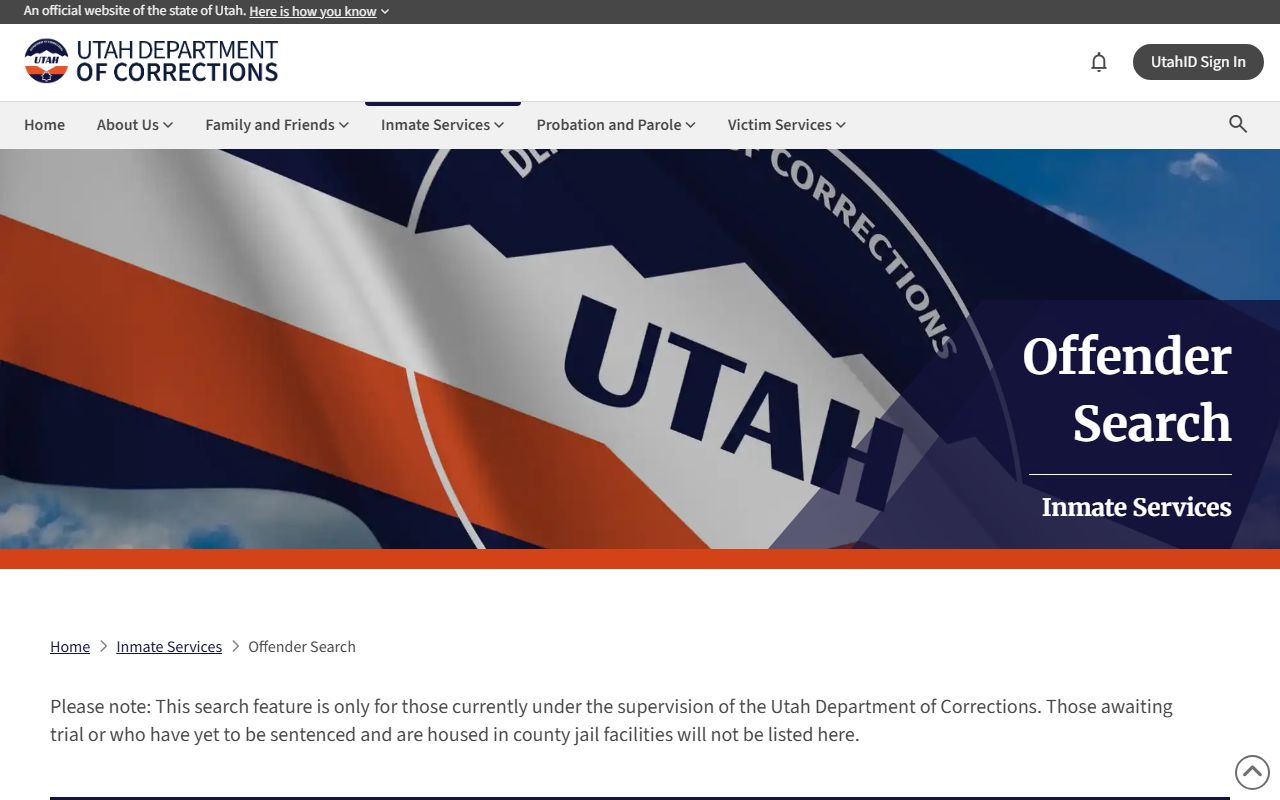
Victims and families who want updates on custody status can register for notifications. The national tool for that is VINELink.
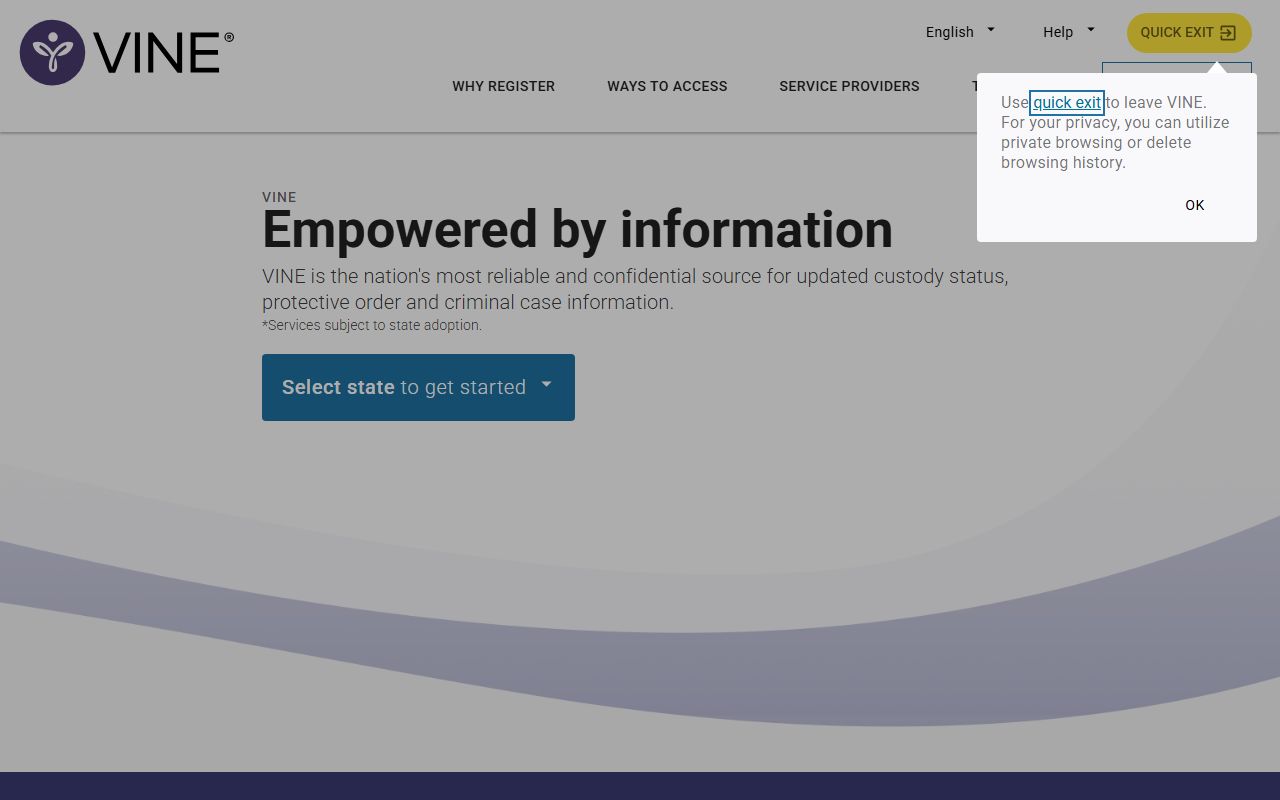
Sign up through VINELink to get release and transfer alerts when the agency takes part and the record matches.
Federal Criminal Records for Weber County
Some Weber County arrests become federal cases. Federal charges are not searched in Xchange or the county roster. They run through the federal courts for the District of Utah and the federal prison system.
Federal cases in the area are handled by the U.S. District Court for the District of Utah.
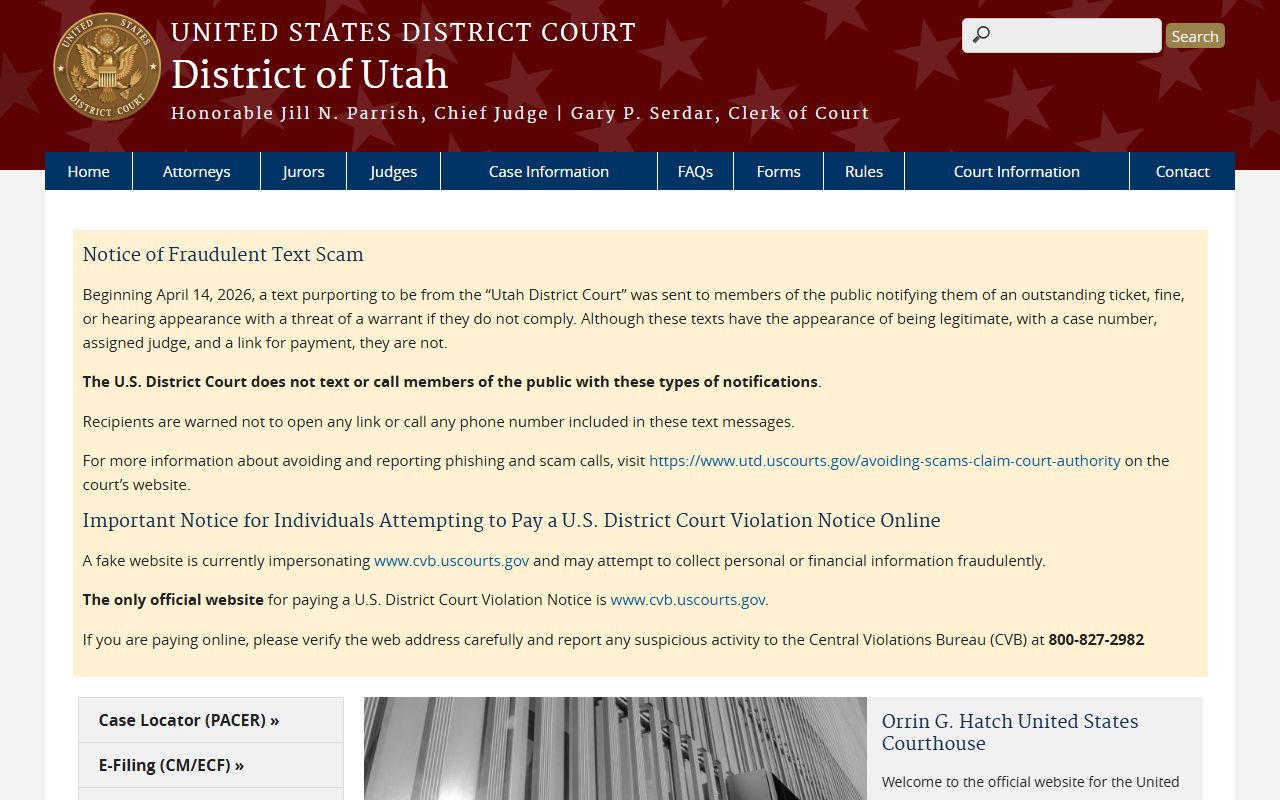
Federal dockets and documents are searched through PACER, the official federal records system.
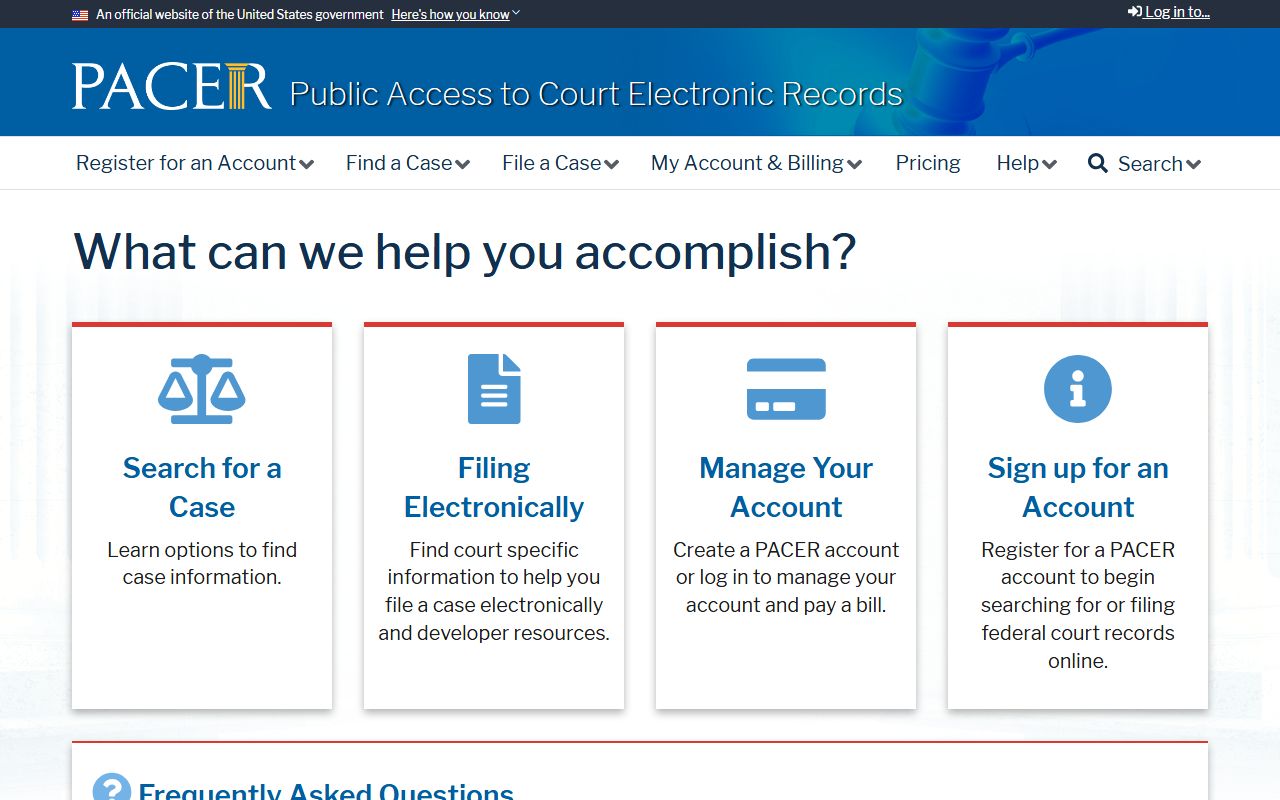
Create an account on PACER to search federal civil, criminal, and bankruptcy files by name or case number. After sentencing, a federal inmate is tracked by the Bureau of Prisons.
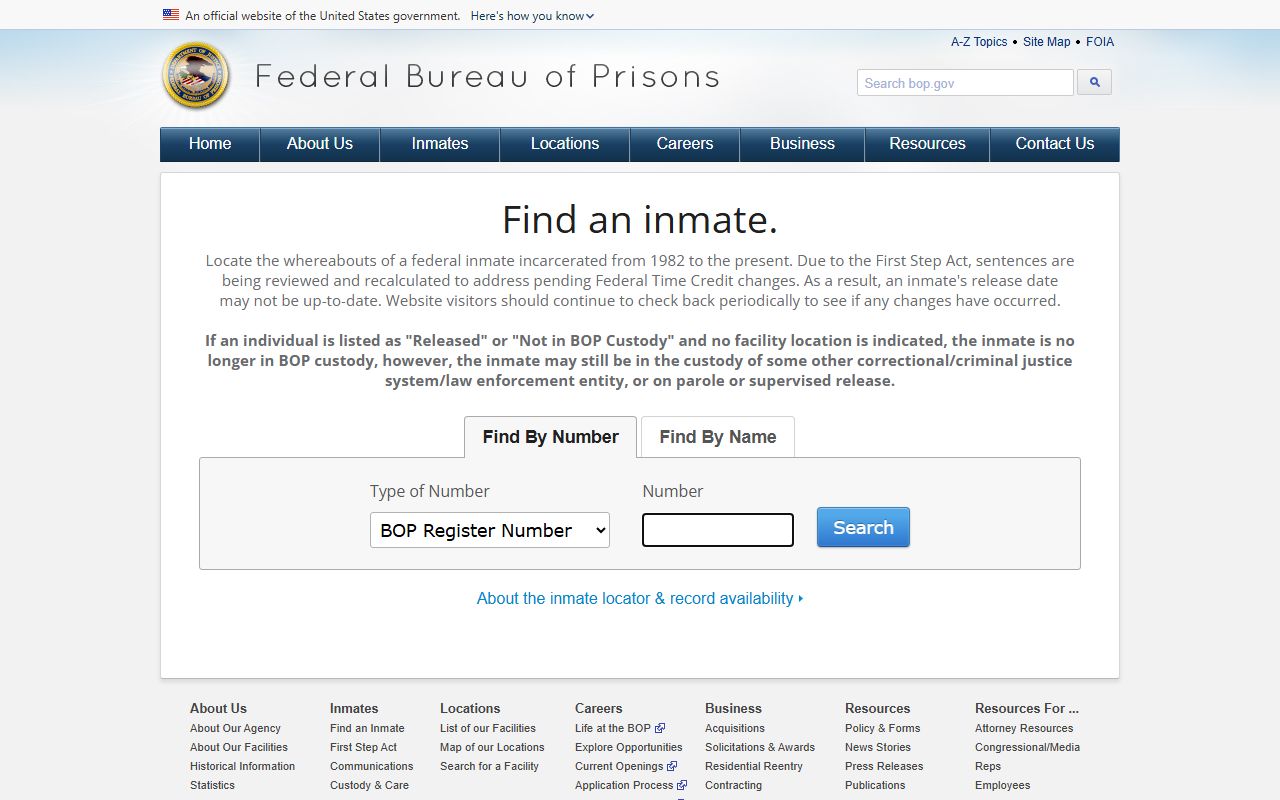
The Federal Bureau of Prisons inmate locator covers people in federal custody from 1982 to today. It does not list county-only jail inmates.
Sealed vs Expunged Records
Two words come up when an arrest record disappears. They are not the same. A sealed record still exists but is hidden from ordinary access. An expunged record is removed from public view under the Utah Expungement Act, and the case no longer shows on Xchange.
| Point | Sealed Record | Expunged Record |
|---|---|---|
| Does the record still exist? | Yes, but hidden | Removed from public access |
| How it happens | Court order or statute | Petition under the Expungement Act |
| Public search result | Not shown without authority | Not displayed on Xchange |
Adult expungement often needs a certificate of eligibility from the Utah Bureau of Criminal Identification, then a petition in the court that held the case. The BCI expungements page lists current steps and the certificate process.
Public Access and Restricted Arrest Records
Utah splits public records into two tracks. Sheriff arrest and incident reports follow the Government Records Access and Management Act, or GRAMA. Court files follow judiciary rules. The basic right to inspect public government records sits in Utah Code § 63G-2-201, and copy fees follow Utah Code § 63G-2-203.
Not all arrest information is public. Active investigation files can be protected under Utah Code § 63G-2-305. Juvenile arrests are restricted and do not appear on Xchange. To get a Sheriff report, file a GRAMA request and attach a valid photo ID.
Background Checks and Criminal History
An arrest record search is not the same as an official background check. Xchange shows public case information, but it is not a certified criminal history. For a formal check, the Utah Bureau of Criminal Identification maintains the state criminal history file.
Employers, landlords, and the public should know the limits. Public roster and court data may be incomplete or out of date, and federal law bars using this site for credit, employment, or tenant decisions. For DUI and traffic charges that overlap with criminal cases, the traffic court records page explains the split. When a missed hearing leads to a warrant, the warrant records page covers the statewide search.