
How to Search Weber County Traffic Court Records
Traffic cases are court cases, so they run through the Utah state court tools. The public search is Utah Courts Xchange. If you are the driver, MyCase is free and supports several traffic case types, including citations and traffic court cases.
The fields below come from the Utah Courts login and search workflow for traffic cases.
| Field | Where | Notes / Format |
|---|---|---|
| Email / Password | MyCase login | Required for party access |
| Account Pin | MyCase | Pin provided by the court clerk |
| Case Number | MyCase / Xchange | Exactly nine numbers, no letters |
| Guest Pay Now / Login | Xchange landing | Public search through a paid guest workflow |
| Court name on citation | The ticket | Tells you which court holds the case |
Read the citation first. It names the court that will decide the case, which tells you where to search.
Which Courts Handle Traffic Cases in Weber County
Most traffic cases are Justice Court matters. Utah Courts says Justice Courts handle most class B and C misdemeanors, infractions, and traffic cases. Serious charges are different. DUI, a felony fleeing charge, or a crash with serious injury can move to the District Court.
Weber County has state District Court plus Justice Court and city-level justice court activity. So the court named on the ticket is the first thing to check, because two drivers in the same county can end up in different courts. The Weber County District Court page covers the higher court.
Types of Traffic Cases on Record
Traffic records cover a range of cases, from minor to serious. Utah Courts uses citations for minor violations such as speeding, running a stop sign, and parking. MyCase lists the traffic-related case types it supports.
- Traffic citations and traffic court cases.
- Infractions, the most common traffic level.
- Parking citations and parking court cases.
- Misdemeanor DUI, a criminal traffic case.
- Other traffic misdemeanors.
A citation can be issued by the Utah Highway Patrol, a county sheriff, or a city police department. The agency does not decide the court; the citation does.
What Weber County Traffic Court Records Show
A traffic case record holds a standard set of fields. It tracks the citation from filing through disposition. The table below lists what a traffic record may show.
| Field | What It Shows |
|---|---|
| Citation / Case Number | The number that identifies the traffic case |
| Court | The Justice Court or District Court handling the case |
| Charge / Statute | The violation and the code section |
| Plea | Guilty, not guilty, or no contest |
| Disposition | The final outcome of the citation |
| Fine / Warrant | Amount owed and any failure-to-appear warrant |
The disposition tells you how the case ended. A pending citation is not the same as a conviction.
Searching by Citation Number vs by Name
Two ways into a traffic record exist. A citation number gives the cleanest result, since it points straight to one case. A name search works too, but a common name returns many matches and takes longer to sort.
If you hold the ticket, use the citation number. If you do not, use the driver's name plus the court named on any paperwork you have. The Weber County court records page covers the broader search workflow that traffic cases share.
Paying or Contesting a Weber County Traffic Ticket
You have choices once you read the ticket. You can pay it, contest it, or look for a deferral. Each path has a deadline, and missing it can lead to a warrant. Work through the steps below.
- Read the citation for the court, deadline, charge, and response instructions.
- Check whether the ticket is payable online through MyCase or the court's payment option.
- Know that paying can be treated as resolving the citation and may reach your driver record.
- To dispute, appear in court and enter a plea of not guilty.
- Ask whether deferred traffic prosecution is available for your case.
- If a deadline passed, check the case and the statewide warrant search.
The Utah Courts traffic page explains paying, disputing, and deferred prosecution.
Public Access Laws for Traffic Court Records
Traffic court records follow the same access framework as other court cases. Public case information is searchable through Xchange, while county agency records like accident reports follow GRAMA. The basic right to inspect public government records sits in Utah Code § 63G-2-201.
Juvenile traffic cases are different. They may involve juvenile court or confidentiality rules, so public access can be limited. Do not assume every traffic record is open when a minor is involved.
Court Traffic Records vs State Driver Records
This is the split that confuses most drivers. The court traffic record and the state driver record are two different files, kept by two different agencies. One is the court case. The other is your license history.
| Point | Court Traffic Record | State Driver Record |
|---|---|---|
| Kept by | Utah state courts | Utah Driver License Division |
| Shows | Charge, court, plea, disposition, fine, warrant | License status, reportable convictions, points |
| Where to access | Xchange and MyCase | Driver License Division |
| How to correct | Through the court that held the case | Through the Driver License Division |
Utah Courts says conviction of some traffic offenses, such as speeding, is reported to the Driver License Division within ten days of conviction or payment. So paying a ticket can create both a court disposition and a driver-record consequence.
CDL and Commercial Driver Records
Commercial drivers face stricter rules. A traffic conviction can affect a commercial driver license, or CDL, more than a regular license, and some violations carry consequences a standard driver would not see. The court case and the CDL record are still separate files.
Because CDL rules and the driver license compact are detailed, confirm any CDL question with the Utah Driver License Division before you rely on a general answer. A guilty plea on a minor ticket can carry extra weight for a commercial driver.
DUI and DWI Cases
DUI is not an ordinary traffic ticket. It is a criminal charge. Misdemeanor DUI runs as a criminal case, and a felony DUI is a District Court matter. So a DUI record sits with criminal court records, not the routine traffic file.
The Weber County arrest records page covers DUI and other criminal charges, including booking and the charge-versus-conviction distinction.
Deferred Adjudication and Defensive Driving
Some drivers can avoid a conviction through a deferral. Utah Courts links to deferred traffic prosecution from its traffic page and from MyCase. A deferral can keep a conviction off the record if the driver meets the court's conditions.
Treatment-focused courts also exist for certain cases. Weber County runs a juvenile drug court for qualifying youth, which can apply when a traffic stop leads to a drug or alcohol charge.
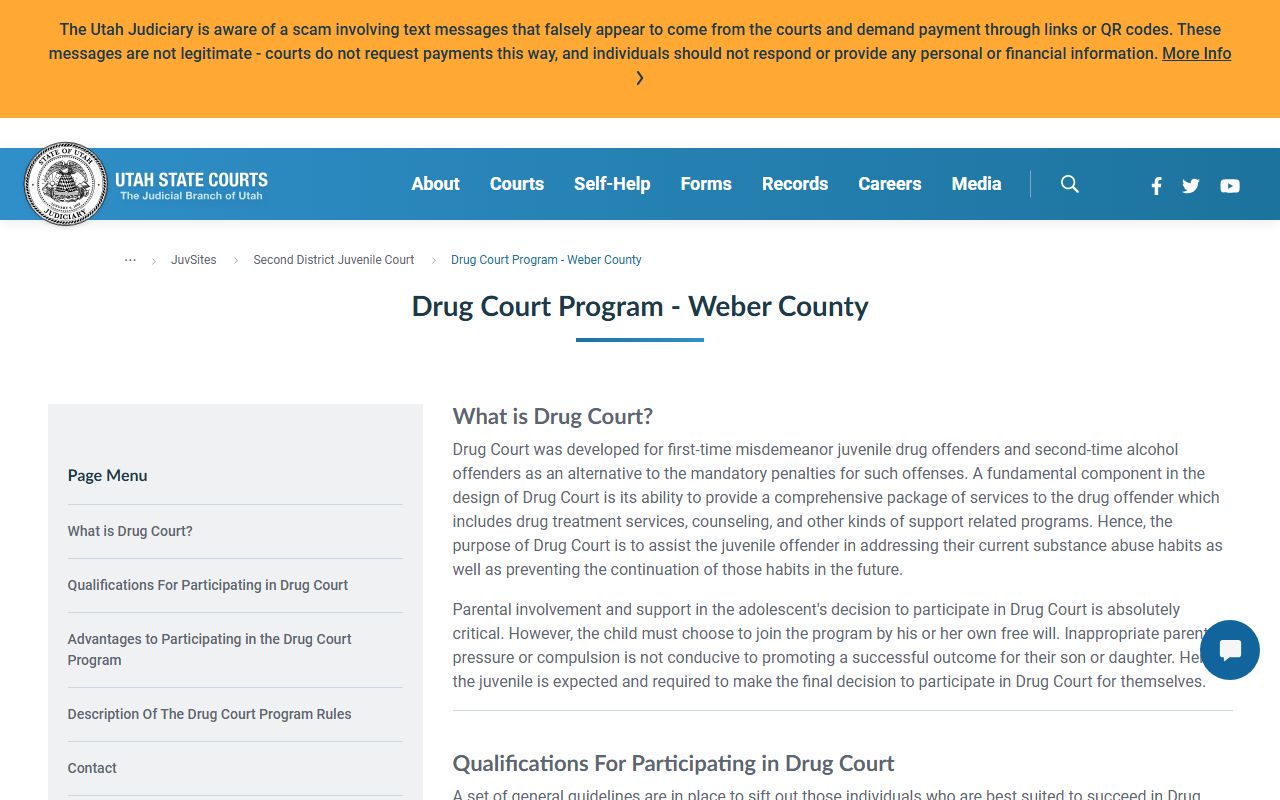
The Weber County juvenile drug court page describes that program. Ask the court whether a deferral or program fits your case.
Sealing or Expunging Traffic Records
Eligible traffic and criminal records can be cleared. Adult expungement usually starts with a certificate of eligibility from the Utah Bureau of Criminal Identification, then a petition in the court that held the case. Once expunged, a case no longer shows on Xchange.
The Utah Courts self-help page walks through adult criminal expungement.
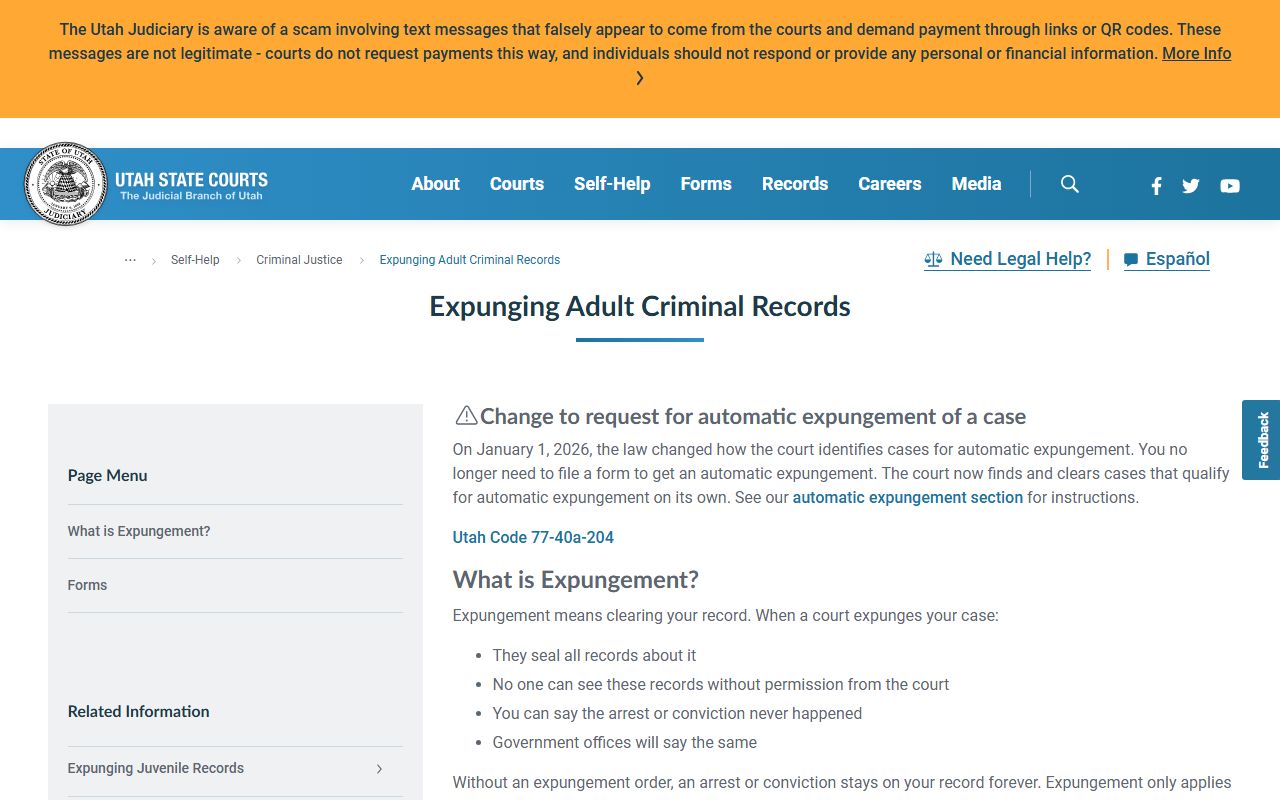
The Utah Courts expungement page explains the steps. The certificate of eligibility comes from BCI.
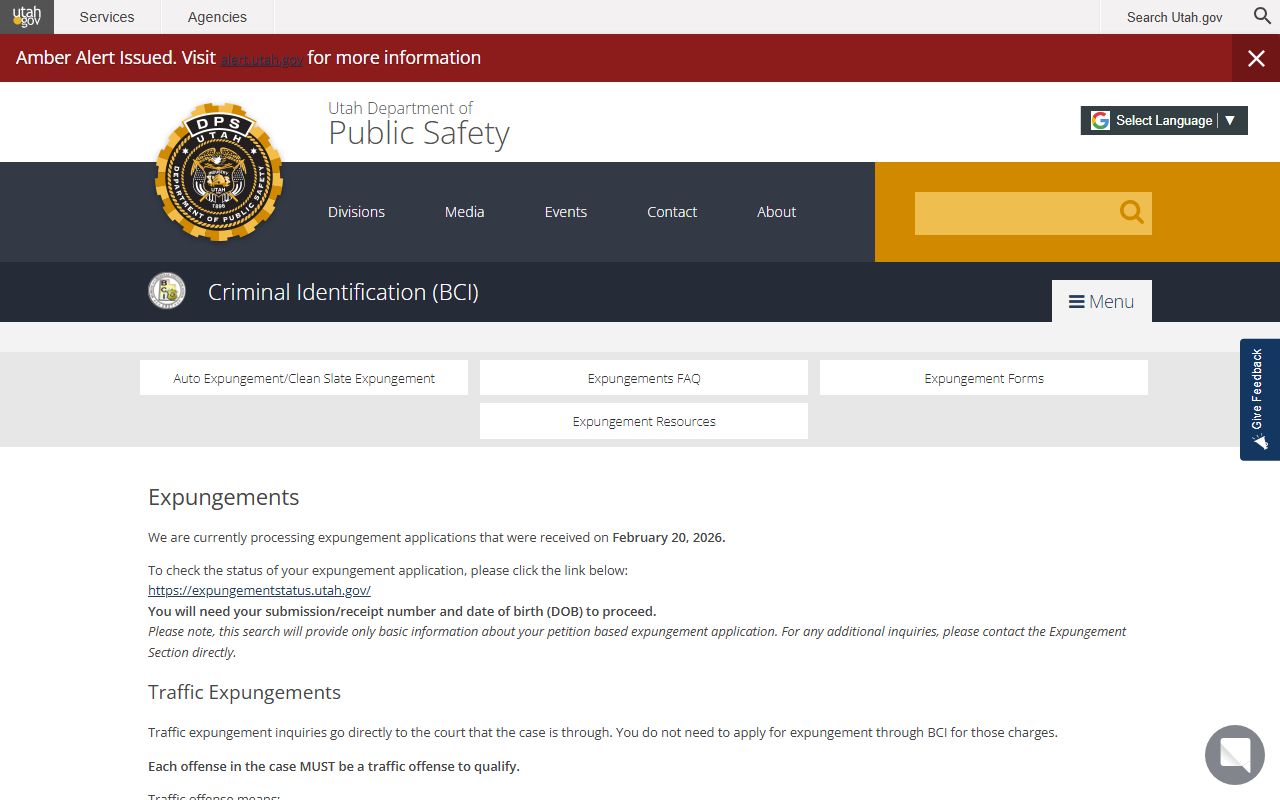
Start the certificate process on the Utah BCI expungements page. Expungement runs under the Utah Expungement Act.
Utah Courts Self-Help for Other Cases
A traffic stop can sit alongside other court matters. Utah Courts publishes self-help pages for many case types, which helps when a traffic case overlaps with family or estate issues. These pages explain process and forms for people without a lawyer.
The divorce self-help page covers family cases that can run at the same time as a traffic matter.
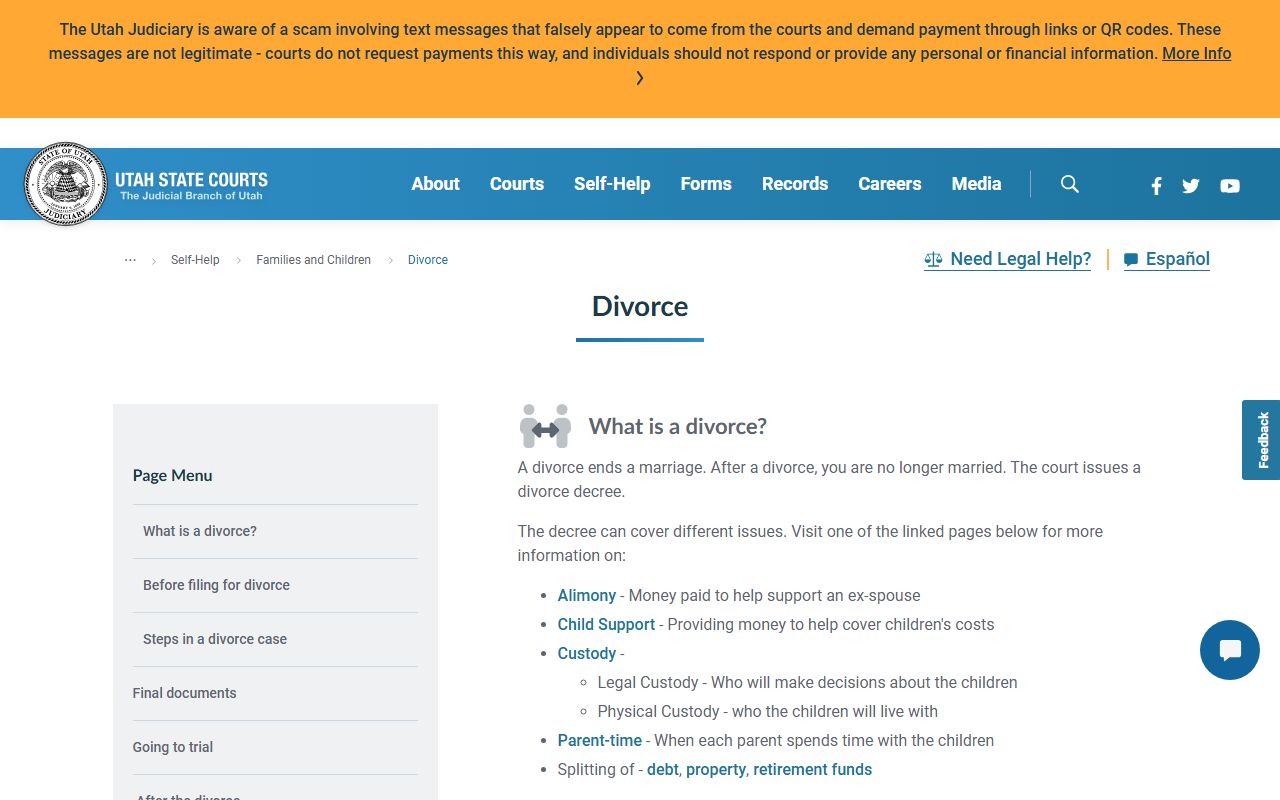
The probate self-help page covers estates and related filings.
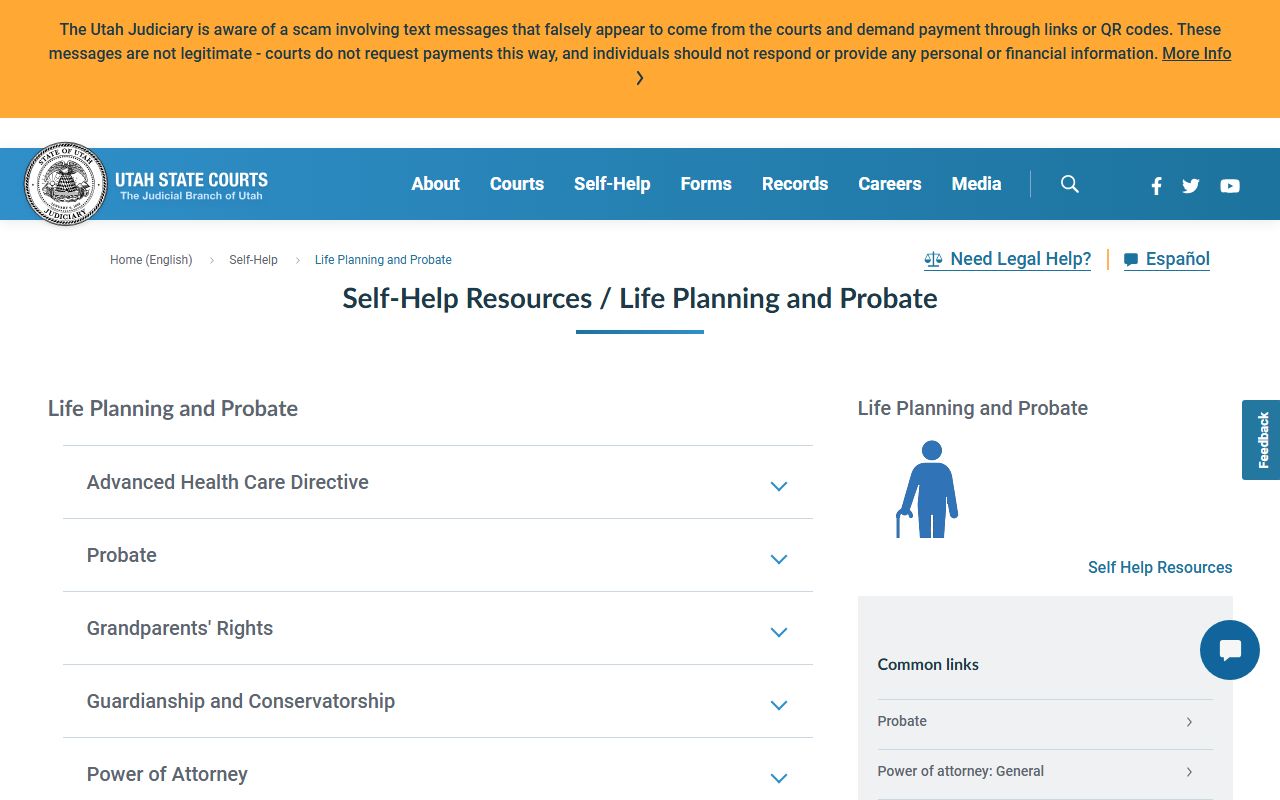
The divorce self-help page and the probate self-help page round out the Utah Courts resources.
Fees for Traffic Record Copies
Fees depend on the record and the office. Court copies follow the Utah Courts fee schedule. A crash report is a separate Sheriff record. Some online tools are free.
| Item | Amount |
|---|---|
| MyCase for case parties | No fee |
| Xchange guest or subscriber search | Fee-based; see the Xchange fee page |
| Sheriff traffic accident report (in office) | $15 per copy |
| Certified court copies | Utah Courts fee schedule |
An accident report is not the same as a court traffic record. A crash can exist without a citation, and a citation can exist without a crash. The Sheriff releases accident reports under Utah Code § 41-6A-404.